Get Help With Your Addiction
Leadership in Behavioral Health: Why Collaboration Is Everything

In the world of behavioral health, leadership is more than oversight it's connection. At Sanctuary Recovery Centers, we believe the strength of a treatment program lies in its ability to bring people together: clinical staff, operations teams, external partners, and most importantly, the individuals and families we serve.
Leadership in this space requires more than credentials. It demands humility, adaptability, and a relentless commitment to collaboration.
Strong Leadership Starts With Internal Alignment
At the heart of any high-impact behavioral health center is a leadership team that is connected across departments:
Clinical directors and therapists who understand operations workflows
Admissions and outreach teams who communicate patient needs and trends
Compliance, billing, and administrative leads who build sustainable infrastructure behind the scenes
Program directors who tie everything together into a model that works across every level of care
When leadership teams work in silos, patients fall through the cracks. But when teams communicate regularly, challenge one another with respect, and align around shared goals, treatment becomes more effective, consistent, and person-centered.
Collaboration Beyond the Walls
Strong internal leadership sets the stage for something just as important: external collaboration.
Whether it's coordinating care with primary health providers, working with probation officers and corrections departments, or collaborating with job readiness programs, effective behavioral health leadership means building bridges that go far beyond the treatment center.
At Sanctuary Recovery Centers, our leadership team works with:
Health Plans like Mercy Care to develop value-based agreements rooted in outcomes
Legal and Reentry Partners like Arizona Department of Corrections to support justice-involved individuals in recovery
Hospitals and Clinics to provide continuity of care before, during, and after treatment
Universities and Educators to expand workforce pipelines and training
Community Organizations to connect clients to parenting classes, housing, employment, and spiritual support
The more we align with the right external partners, the stronger our outcomes become. No one recovers in isolation, and no treatment center should operate in one.
Leadership as a Living Practice
Collaboration doesn’t happen by accident. It requires intentional structure and culture.
That’s why effective behavioral health leadership includes:
Weekly cross-departmental meetings with clear action items
Leadership development that spans both clinical and non-clinical roles
Shared access to outcome data to drive improvement together
A culture of transparency and shared accountability
At Sanctuary, we believe the best leaders aren't just "in charge" they're in service. They break down barriers between departments and bridge gaps between systems. And they stay connected to the ultimate mission: providing true healing and continued care.
Final Thoughts
In behavioral health, leadership isn’t just about running a program. It’s about creating a culture where internal teams and external partners unite around what matters most: the wellbeing of those we serve.
When leadership is collaborative, coordinated, and mission-aligned, better outcomes follow.
Learn more about how the Sanctuary Recovery Centers team leads with integrity, connection, and purpose at: https://www.sanctuaryrecoverycenters.com

Tianeptine: The Hidden Dangers of This "Miracle Drug"

The Importance of Self Love in Recovery

Bath Salts- How Dangerous Are They?
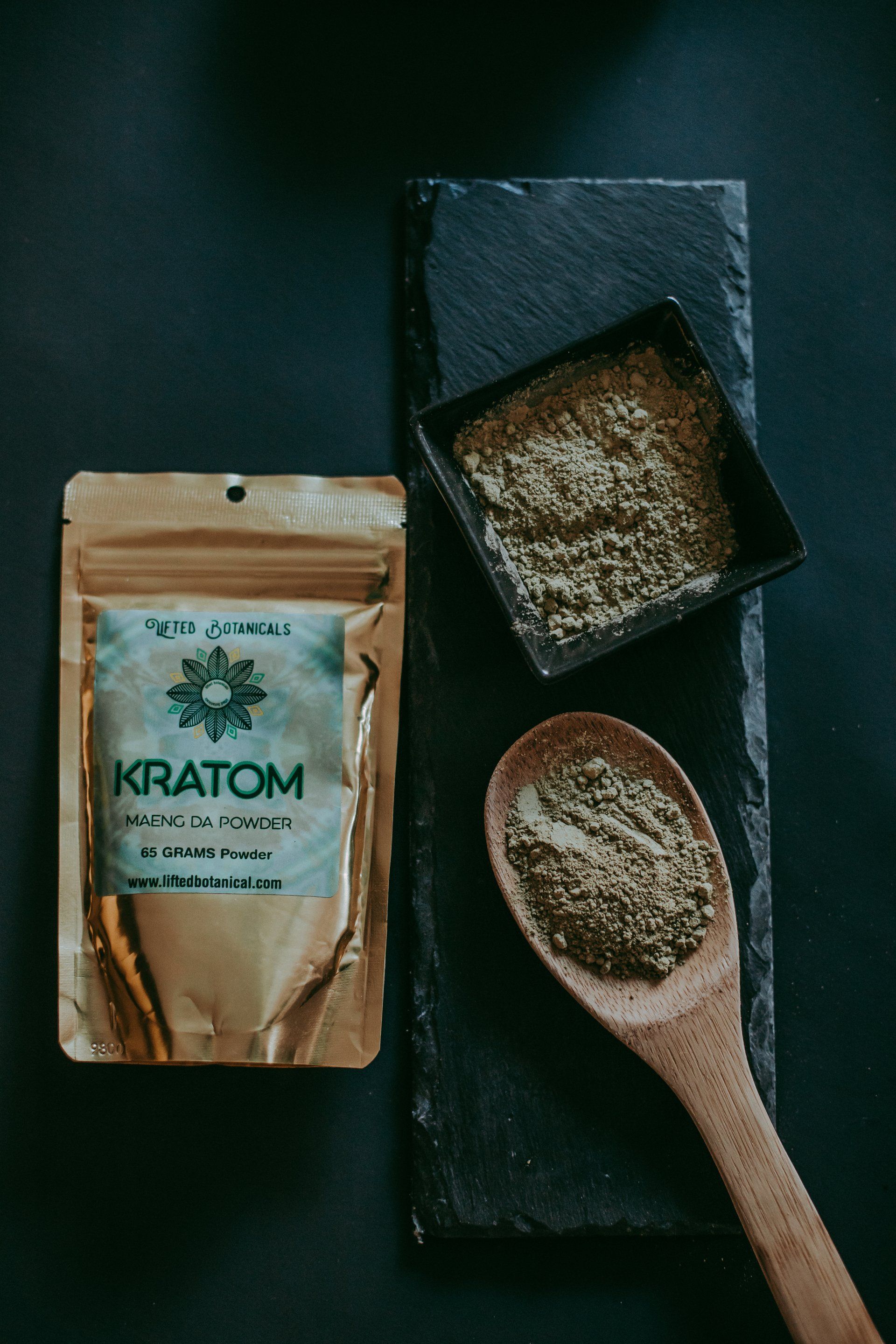
The Hidden Dangers of Kratom in Recovery

Are you ready to break free from addiction and reclaim your life?
In this article, we will guide you through the journey of addiction recovery. You will gain a deeper understanding of the addiction cycle, learn how to build a strong support system, explore effective treatment options, and discover strategies for overcoming relapse triggers.

The post Recognizing The Signs & Symptoms Of Depression appeared first on Sanctuary Recovery Centers.

The post What Is the Life Expectancy of an Alcoholic Person appeared first on Sanctuary Recovery Centers.

The post Things Not To Say To An Alcoholic appeared first on Sanctuary Recovery Centers.

The post How Do You Help Someone Who Doesn’t Want to Stop Drinking appeared first on Sanctuary Recovery Centers.

The post 3 Ways to Cope With Living With an Alcoholic appeared first on Sanctuary Recovery Centers.